

 3504 3737

 Fax 3504 3721


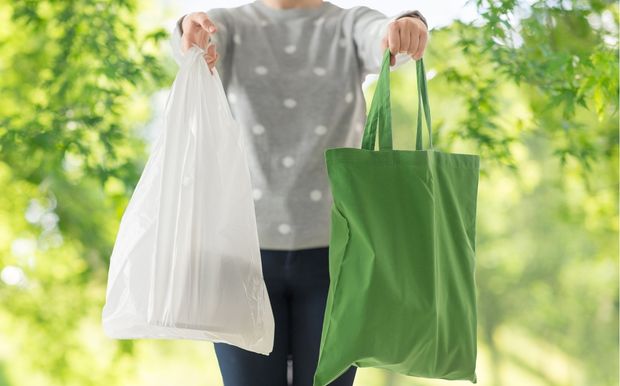
The Age of Everywhere Tote Bags: How Do You Stand Out?
As environmental awareness grows and plastic bag levies roll out across markets, tote bags have become an almost universal giveaway at brand events, exhibitions, and corporate anniversaries. But precisely because there are so many of them, most end up used once or twice before disappearing to the back of a closet. To make a custom tote bag something people actually keep using -- even carry as an everyday bag -- design and material choice matter enormously.
Common Materials: Different Materials, Different Positioning
Canvas
Canvas is thick, hard-wearing, and load-bearing, making it well suited to everyday use like grocery runs or commuting -- currently one of the most popular tote bag materials. Its surface also holds finer printed detail well, with strong color reproduction.
Non-woven Fabric
Non-woven fabric is affordable and suits mass giveaways at marketing events, but its durability and load capacity are relatively lower, making it better for short-term promotional use than a long-term everyday bag.
Canvas Blends / Recycled Fiber
Recycled polyester (rPET) tote bags, made from recycled plastic bottles, have grown increasingly popular in recent years. Beyond good durability, they highlight a brand's sustainability commitment, making them especially suited to brands focused on their environmental image.
Heavyweight Oxford Fabric
Oxford fabric offers better water resistance, with a texture between canvas and nylon. It suits outdoor or sports-themed giveaways well, with relatively good load capacity and wear resistance.
Printing Techniques: The Key to Print Durability
- Screen Printing: High color saturation, suited to large blocks of color or designs with just one or a few colors, with good wash durability -- currently the most common tote bag printing method.
- Heat Transfer: Suited to designs with richer color gradients and finer detail; printing cost is relatively higher but can achieve near-photo-quality full-color results.
- Embroidery: Stitches the design directly with thread, giving a dimensional texture and extremely high durability -- especially suited to simple, long-lasting designs like a corporate logo, though at a higher cost than printing.
- Direct-to-Garment (DTG) Printing: Suited to small-batch orders with multiple design variants, with high color fidelity, though generally less wash-durable than screen printing or embroidery.
Design Considerations: Making a Tote Bag Actually Get Used
Size and Capacity Should Match Real-World Use
A tote bag that's too small can only hold a few items, limiting its usefulness. Design the size around its primary use -- for example, a tote meant for grocery runs should have a folded or gusseted base to increase capacity and stability.
Handle Length Should Be Ergonomic
Handles that are too short are hard to sling over a shoulder; too long and they feel unwieldy to carry. Design handle length around common market standards (roughly 60-70cm for a shoulder-carry style), and use reinforced stitching to prevent the handles from fraying under sustained load.
Keep the Design Simple
Corporate logos or slogans should stay simple -- an overly complex design not only raises printing costs but can also wear down faster with repeated use and washing. Logos are best kept to one or two colors, placed prominently on the front of the bag.
Add Practical Details to Boost Everyday Use
Features like an interior pocket, a waterproof base panel, or a design that folds down into a small pouch can meaningfully increase how often people choose to carry the bag, turning it from a one-time promotional item into something genuinely useful.
Summary
The key to helping a custom tote bag escape the fate of being used once and forgotten lies in durable materials, a size that matches real everyday needs, and a design that's simple and easy on the eye. Rather than simply maximizing the printable area, focus on the core question of whether people will actually want to carry it long-term -- that's what lets a tote bag deliver both lasting brand exposure and genuine environmental value.
-
How much weight can a canvas tote bag typically hold?
It depends on the canvas thickness and stitching quality -- a standard-weight canvas tote can generally hold around 5-10kg. For heavier items (like books or canned goods), choose a heavier canvas with reinforced base stitching.
-
Is screen-printed artwork wash-durable?
Screen-printed designs hold up well to washing, but hand-washing or a gentle cycle is recommended, avoiding prolonged soaking or high-heat drying, to extend the life of both the print and the material.
-
What's the difference between rPET recycled-fiber and regular canvas tote bags?
rPET recycled fiber, made from recycled plastic bottles, is lighter and more water-resistant with strong environmental symbolism; canvas totes have stronger load capacity and a thicker feel. Each has its strengths depending on the event theme and budget.
-
What's the typical minimum order quantity for a corporate custom tote bag?
It depends on the supplier and printing method -- screen printing typically starts around 100-300 pieces, while embroidery or complex heat-transfer designs may have a higher minimum order threshold.
